Join Us
Sign up to stay informed of the latest news from Cristianime i Justícia.
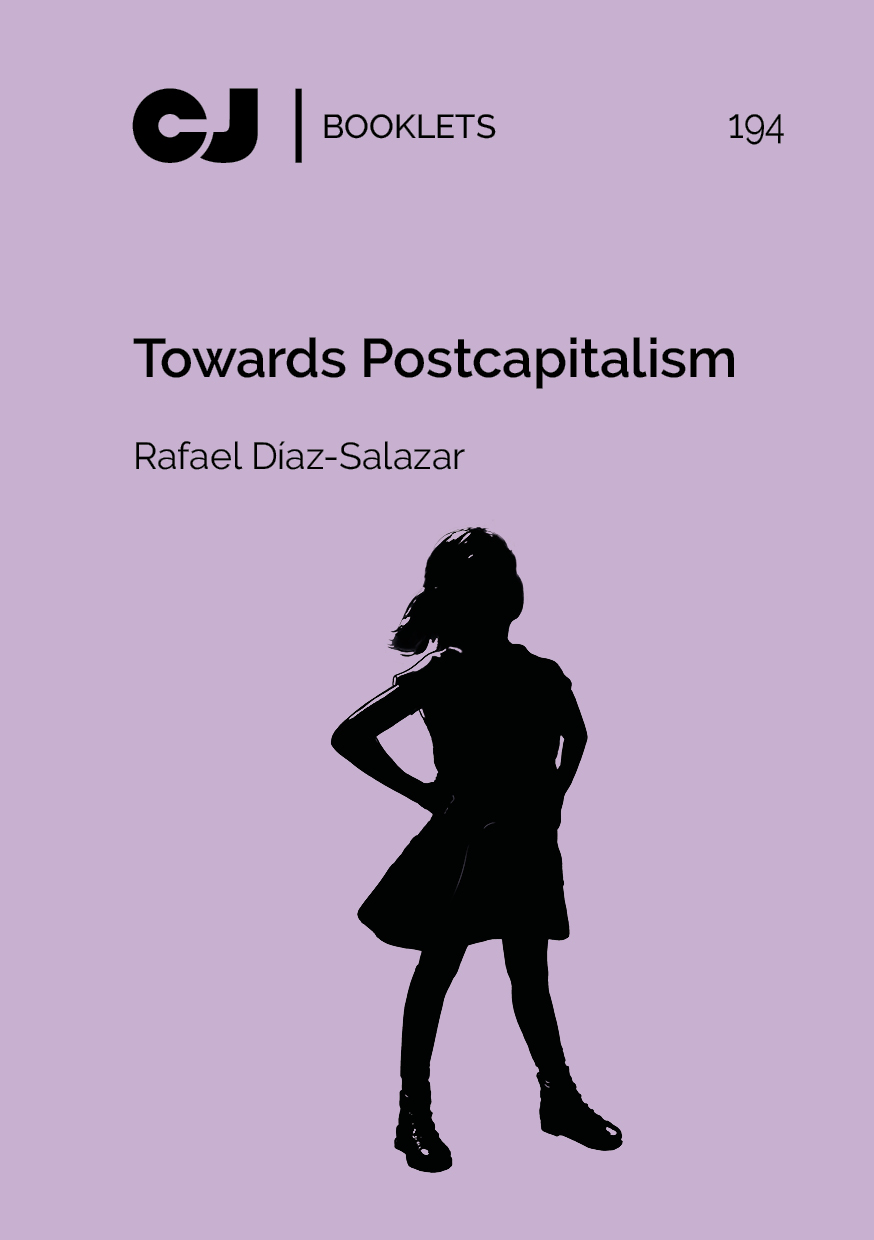
The sociologist Rafael Diaz Salazar offers to us in "Towards Post-capitalism" an essay that attempts to shed light fin order to orient us as we transition into post-capitalism. He does it by suggesting a dialogue between cultures of faith and justice that are nourished by different sources but who desire to learn from one another. The booklet covers the dialogue among Christians, Marxists and eco-socialists and, as the author himself explains, it is inserted into the proposal of Pope Francis concerning the culture of the encounter between persons of good will who have as their common goal the emancipation of the impoverished and of ecology.
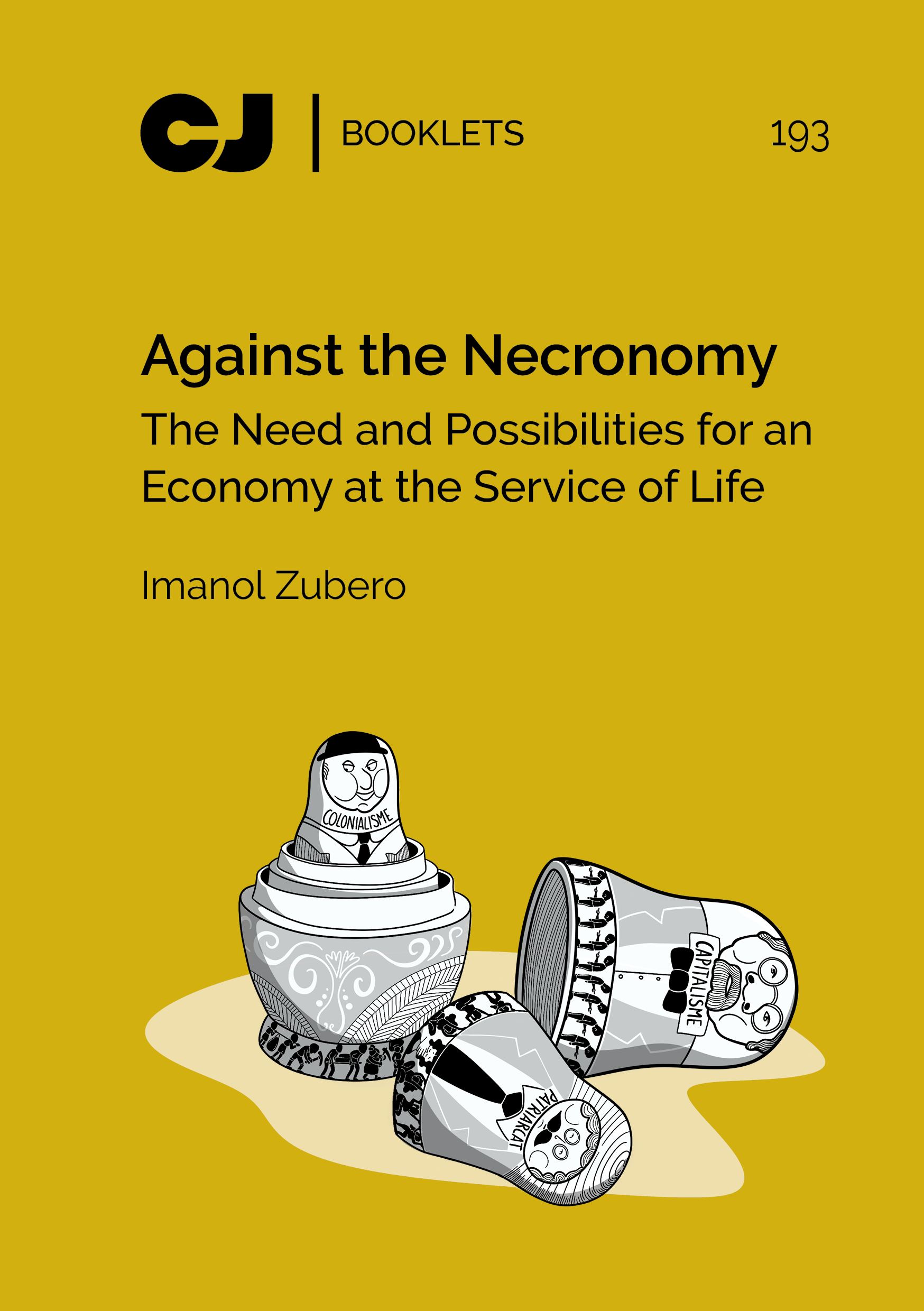
The text of this Booklet corresponds in large part to the lecture that Inamol Zubero gave at the inauguration of the academic year 2023-2024. It is possible to watch the lecture on our YouTube channel. The lecture was followed by three comments or responses given by members of the team of Cristianisme i Justicia: Miriam Feu, David Murillo and Inma Naranjo, which we also include in an Appendix. We wish to thank all four for their availability and their inspiring talks, which we hope will be the same for the readers of this Booklet.
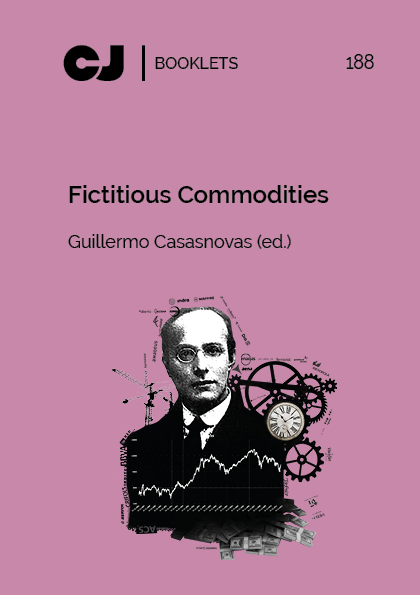
Everyone is aware that the market, as a mechanism for the distribution of resources, has affected several areas of our society. From its influence on how we care for children and elderly people to the fields of education and health, there is a general sense that the expansion of the market is difficult to stop. This situation was already predicted in the middle of the last century by Karl Polanyi who warned of the social consequences of this increasing commodification. We will be looking over his work in the course of this booklet, in order to help us understand how far our lives have been affected by the commodification of goods such as work, housing and money itself.
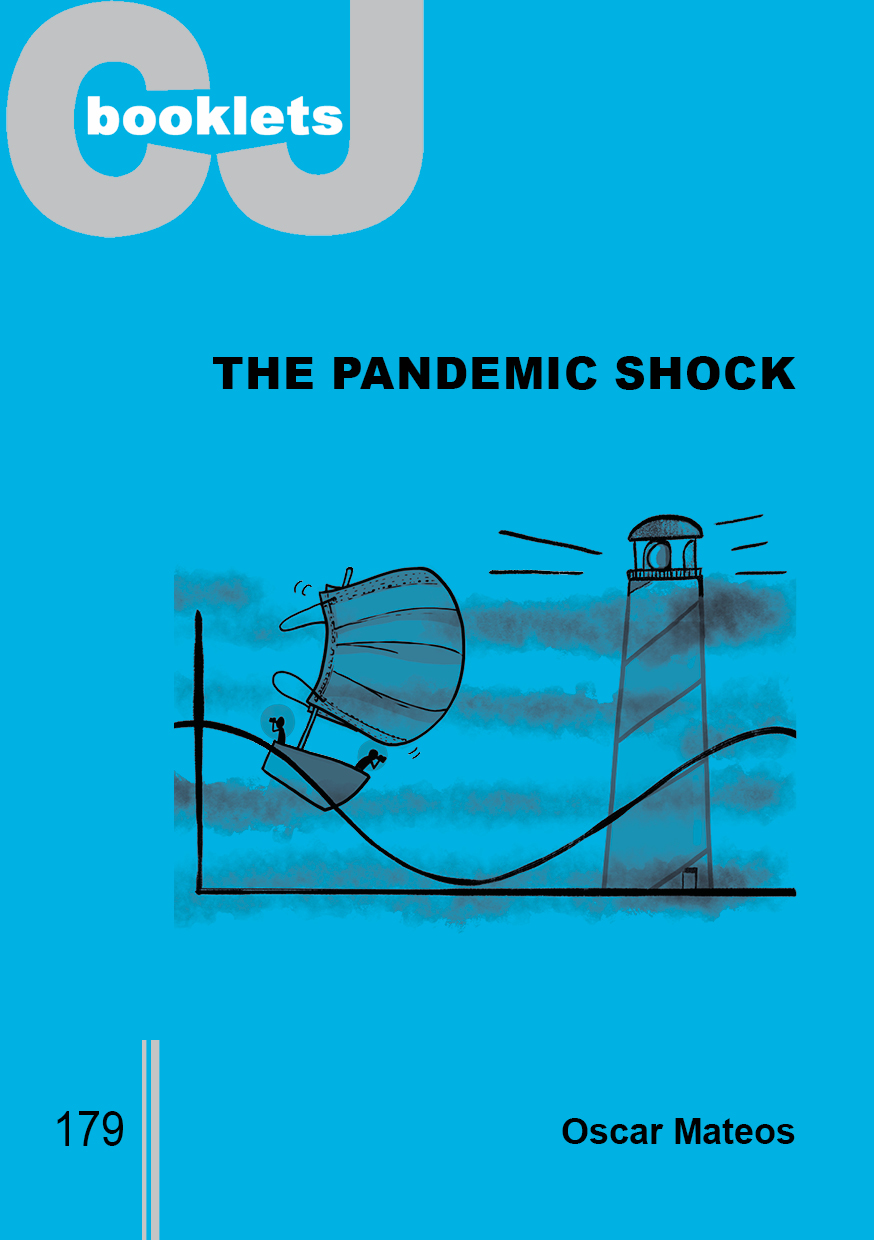
The COVID-19 pandemic has generated a global social, political and economic shock, with consequences that are not yet foreseeable, making even sharper the focus on the problems of an unequal and plutocratic world which is politically polarized, socially atomized and environmentally unviable. It is for this reason that the author invites us to take advantage of the “moment of clarity” that the pandemic offers us to take a deep dive into some essential lessons learned, as, for example, our having realized that working for the common good for those who need care is what sustains life. In the third part of the Notebook, he analyzes the different post-pandemic scenarios that are open to us, but with the uncertainty of not knowing which of them is the most plausible. It is definitely a Notebook that offers to teach us a wide view of what is happening to us without being dogmatic.
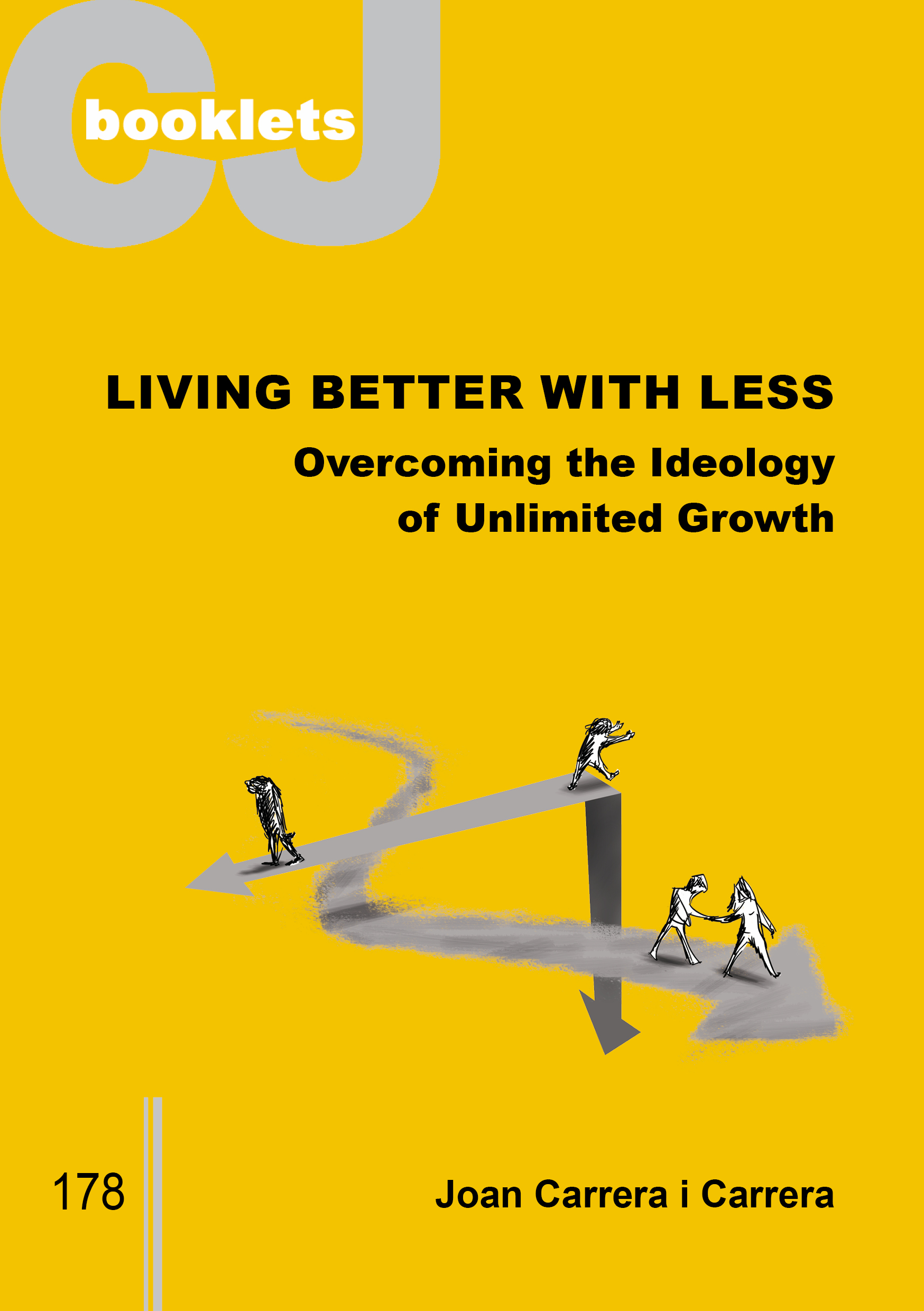
The whole capitalist system has been held up by one central idea: the need for constant unlimited and expansive economic growth. Growth without limits has become a necessity in order to gain the maximum benefit. In this booklet, we try to identify the common points of alternative social and economic proposals from an ecological and “de-growth” point of view, which challenge the current capitalist system. Since the publication of the encyclical Laudato si’, these proposals to “live better with less” should be an integral part of Christian thought and practice.
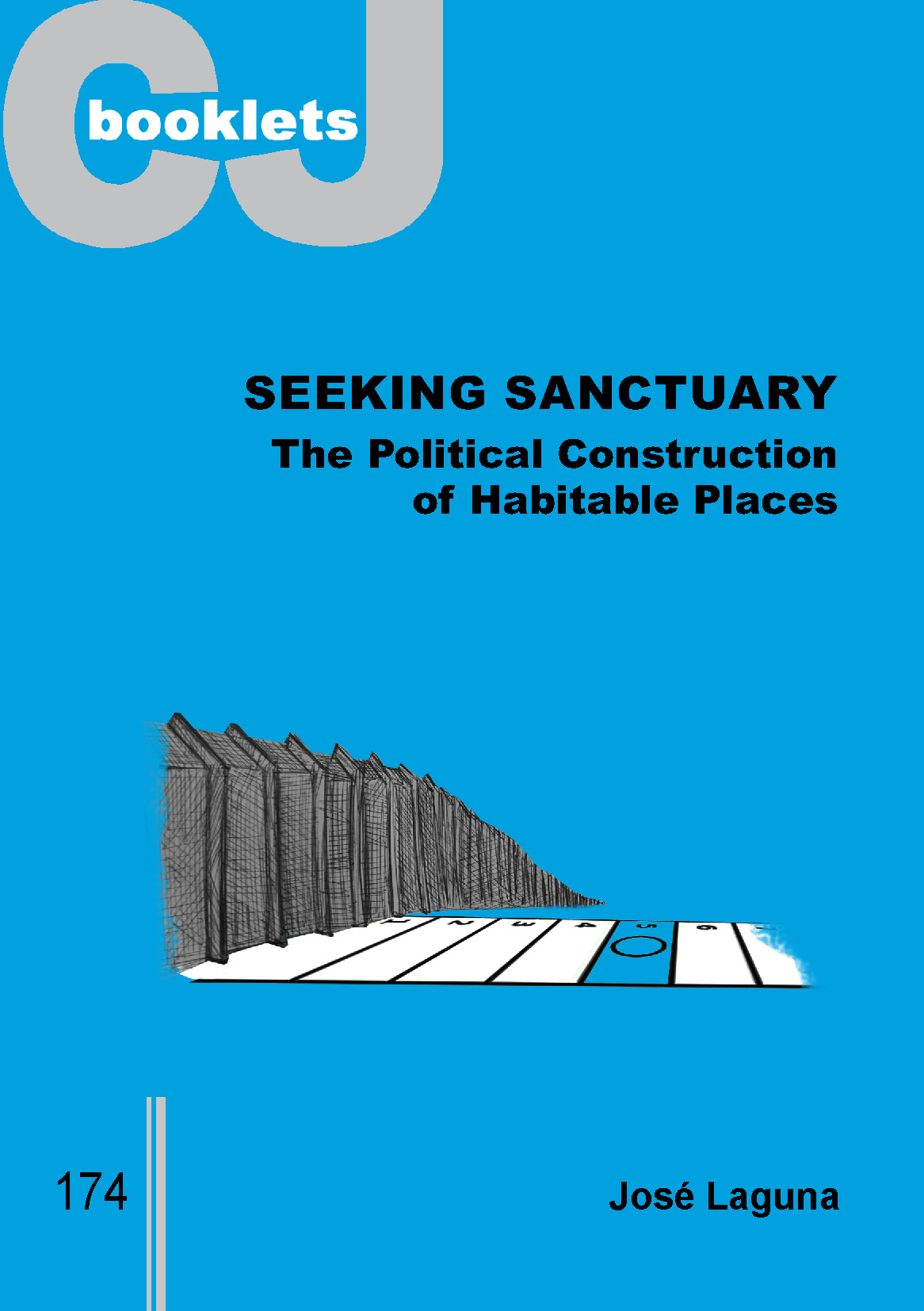
The political construction of places safe from profanation involves defending those “sacred places” we have already established, demolishing dwellings that have become unlivable, and building new multicultural homes that are sustainable and non-discriminatory, recognizing and welcoming negated identities. The author invites us to abandon our passivity and become architects and masons so as to keep the world from ending up “a huge commercial center where every reality carries a sticker price and a bar code.”
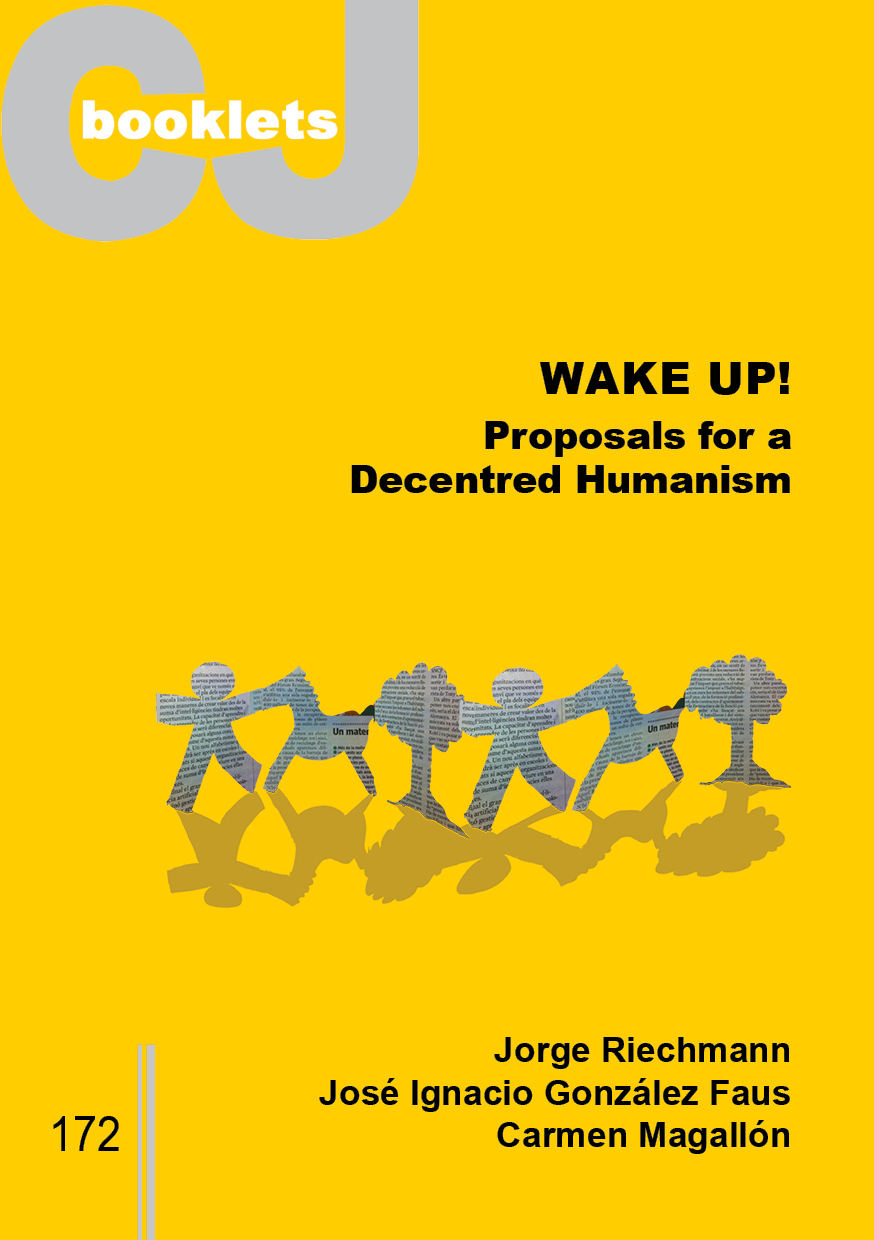
Jorge Riechmann calls the 21st century the “Century of the Great Test,” for he sees it as the century in which the future of the planet and the survival of the human race are at stake. Viewing this challenge from the perspectives of philosophy, theology, and eco-feminism, the authors ask about the possibility of changing the current course of our civilization, so that we begin to pursue other goals and promote other values, such as welcoming the stranger, caring for what is fragile, making peace with nature, and accepting ourselves as the vulnerable and mortal beings that we are.
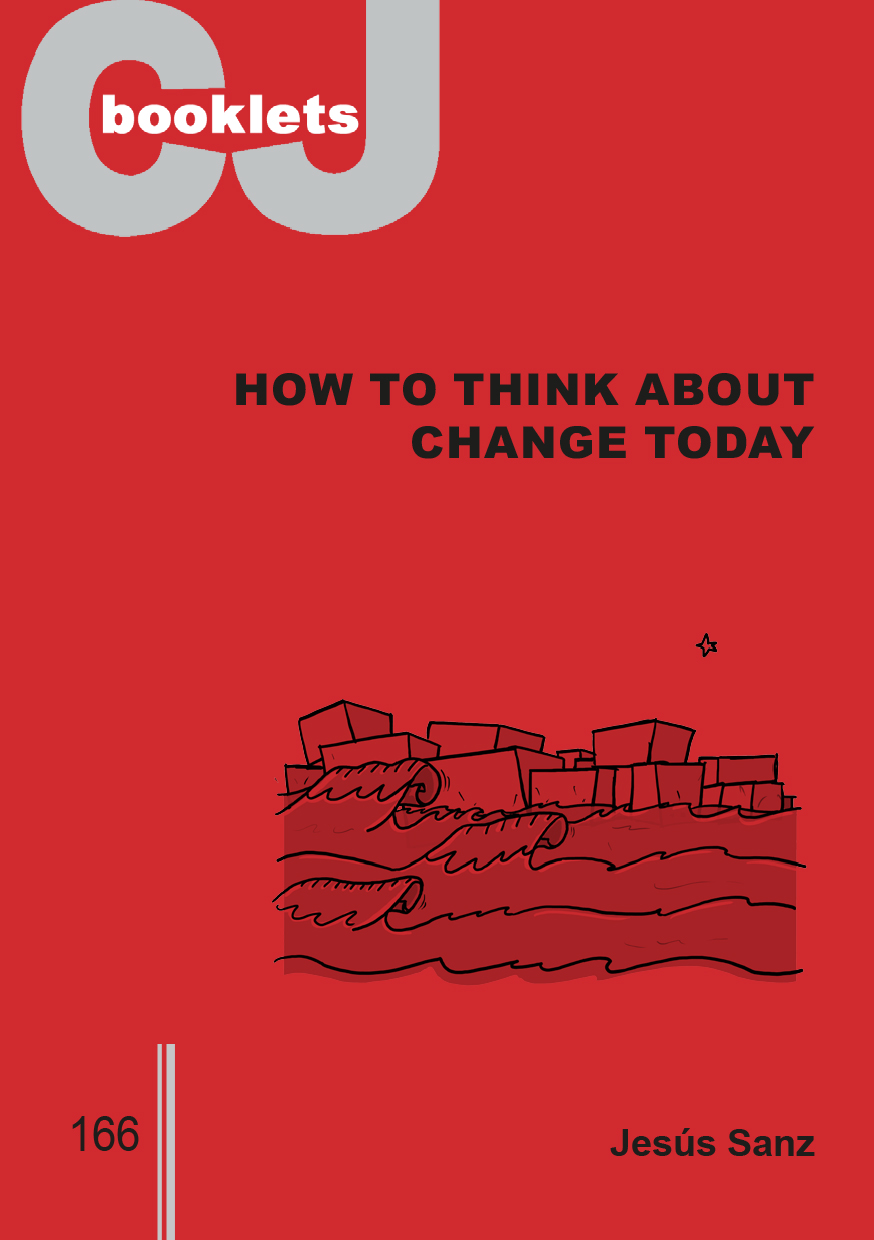
Change and social transformation, addressed form a polyhedral point of view, are the central issues of this booklet.
In a time where it seems the course of history is accelerating, we reflect on the present time drawing from some of the most relevant political events in the last years; we make an approach to the notions of change and transformation and, finally, we take a closer look to some of the areas from which we can work for social change and transformation, attempting to start from a hopeful gaze over reality although this is not always easy.
A booklet which, on a personal basis, seeks to inspire and encourage others to work from their everyday sphere, from both an individual and a collective dimension, and help to breed a new dignifying reality for all.
Morning, 9h to 14h
(from monday to friday)
Afternoon, 16h to 19h
(tuesday and thursday)