Join Us
Sign up to stay informed of the latest news from Cristianime i Justícia.
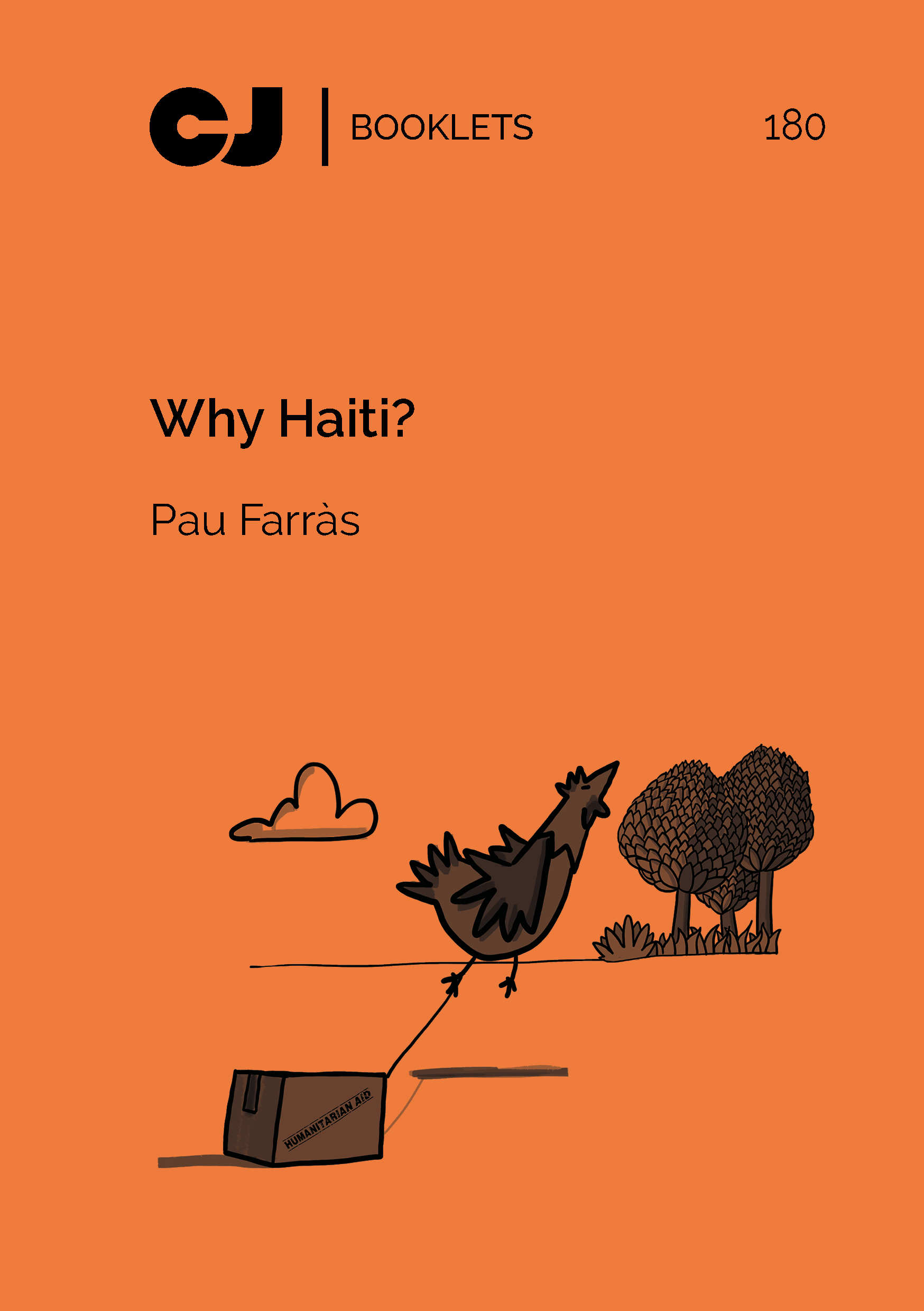
That was question asked by Hillary Clinton, then-Secretary of State, when she heard about the earthquake that had devastated Haiti’s capital, Port-au-Prince. It is also the question that echoes all through this booklet. Readers themselves may also at first be asking: Why Haiti? Why Haiti? Why dedicate a whole booklet to Haiti? Maybe the reason is that now, ten years after that cataclysmic earthquake, it is the tiny, invisible country of Haiti that most clearly makes manifest all the injustices and contradictions of our globalization.
The coronavirus is pouncing on a world in which inequality has grown in the majority of countries, situated in an economic system that favors the hoarding of wealth, income, opportunities and natural resources by a few people. By not confronting this enormous crisis in a way that is different from others, we will be aiding a sharp growth in poverty and the widening of the gap that divides humankind into those that have access to protection and those that are left to the elements.
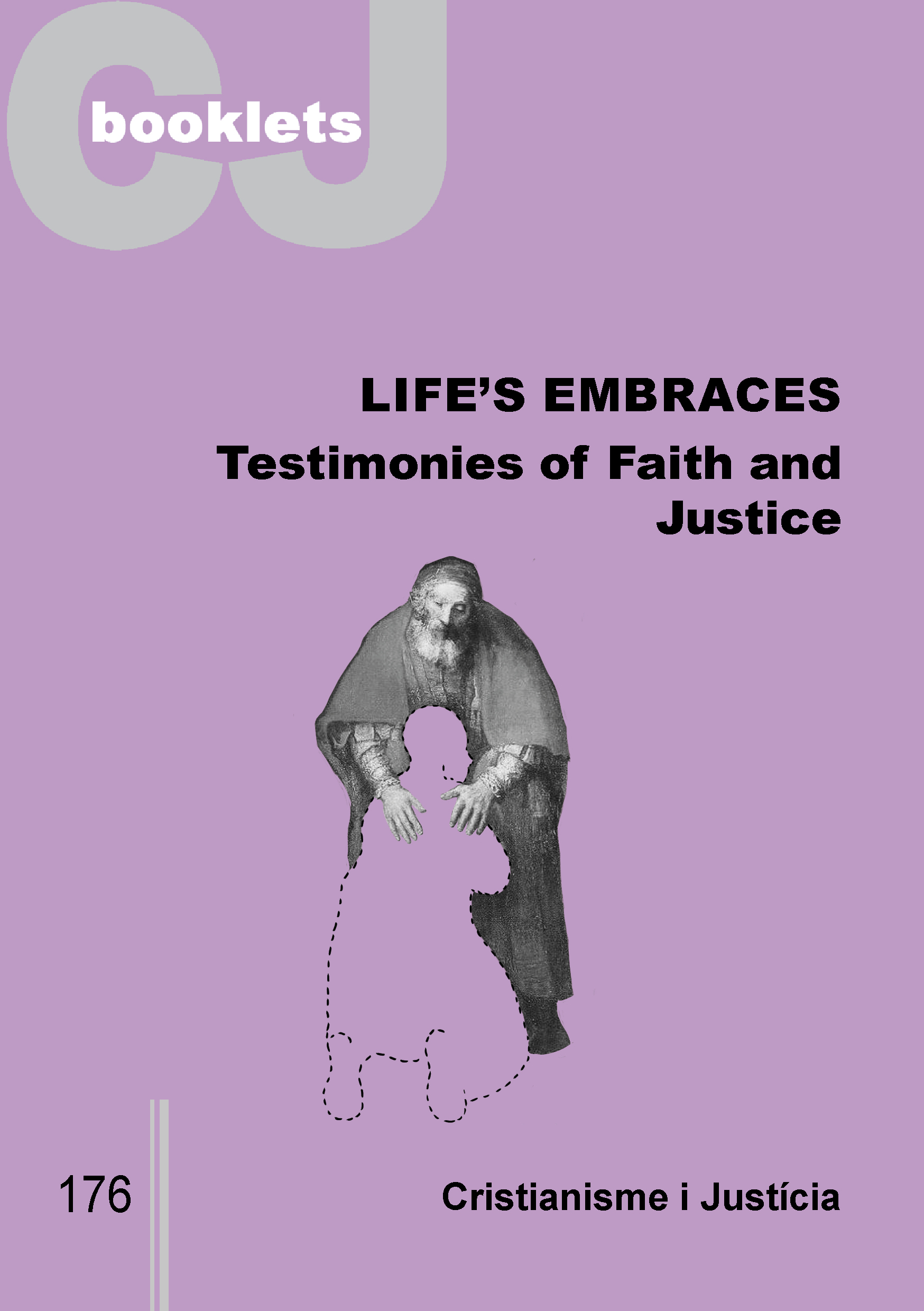
In this booklet, we will be calling upon different people to tell us about their own experiences, in order to give us their personal testimony. These are real life testimonies which will invite us to discover faith from the perspective of justice. We expect some of these narratives will encourage us to think about the issues raised, but we hope they will also establish a form of dialogue with the reader: a private and personal dialogue which will help them to search for this pathway of faith in their own lives, a pathway which is a gift, and at the same time, an invitation to live life in all its fullness.
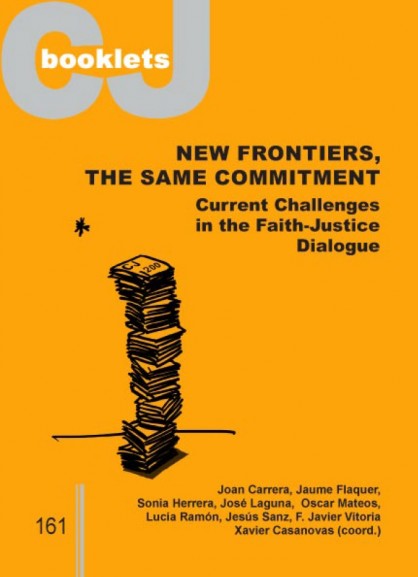
In the thirty-fifth year of its existence, Cristianisme i Justícia now issues its 200th booklet. We have always sought to kindle hope and feed a widely-shared desire for a world that is more just and more fraternal. In keeping with that desire and alert to the world around us, the present publication aims to provide a clear account of the teamwork in which our Centre is engaged, and a reliable guide to the challenges on which Cristianisme i Justícia reflects now and in the future. We also invite to join us all those engaged in dialogue between faith and the struggle for a juster world.
The feminization of poverty has been long invisible, since analyses of poverty and social exclusion have not taken gender into account. The difficulty of access to education, to land and to credit together with greater in security and vulnerability in the labour market have contributed to female impoverishment, with the result that 'poverty has a woman's face'. This state of affairs needs to become more visible with gender understood as a risk factor when it comes to undergoing poverty.
Dorothy Day is perhaps the most important figure in twentieth century North American Catholicism.A layperson, a mother, a grandmother, a worker, a revolutionary and a deeply religious woman, Dorothy offers us a new way of life for these difficult times at the start of the twenty-first century.

Morning, 9h to 14h
(from monday to friday)
Afternoon, 16h to 19h
(tuesday and thursday)