Join Us
Sign up to stay informed of the latest news from Cristianime i Justícia.
In the face of the hells created by violence, oppression, and repression, the victims of injustice seem to have no other alternative than fight (action-reaction) or flight (silent submission). This booklet explores the “third way” of Jesus, which goes far beyond those two options. This “third way” is the path of active non-violence, a path that requires great lucidity, creativity, faith, and constancy. It comes out of a long biblical tradition, and it acquires special meaning in the context of our present-day society. [In addition to the translation into Catalan and Spanish that you can find on this website, the text has been translated into German, which you can find at this link].
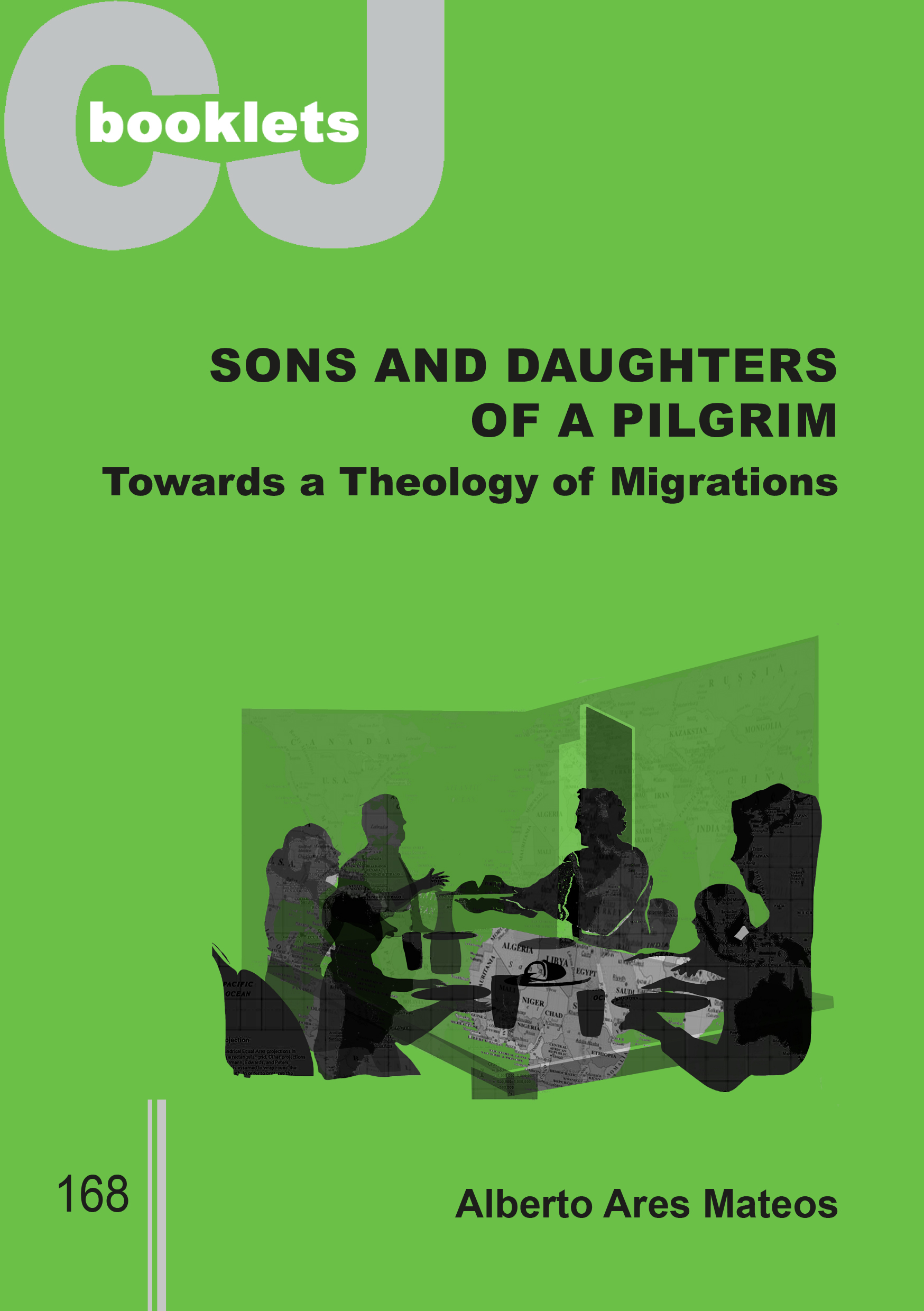
Given that the worldwide movement of migrants and refugees is a “sign of the times,” the situations that give rise to this reality cannot remain on the margins of theological reflection. Responding to this need is the theology of migrations, a new discipline grounded in biblical tradition and the magisterium. The author of the present booklet examines this pressing concern in depth, highlighting the five most important issues for our day and age: identity, dignity, justice, hospitality, and integration.
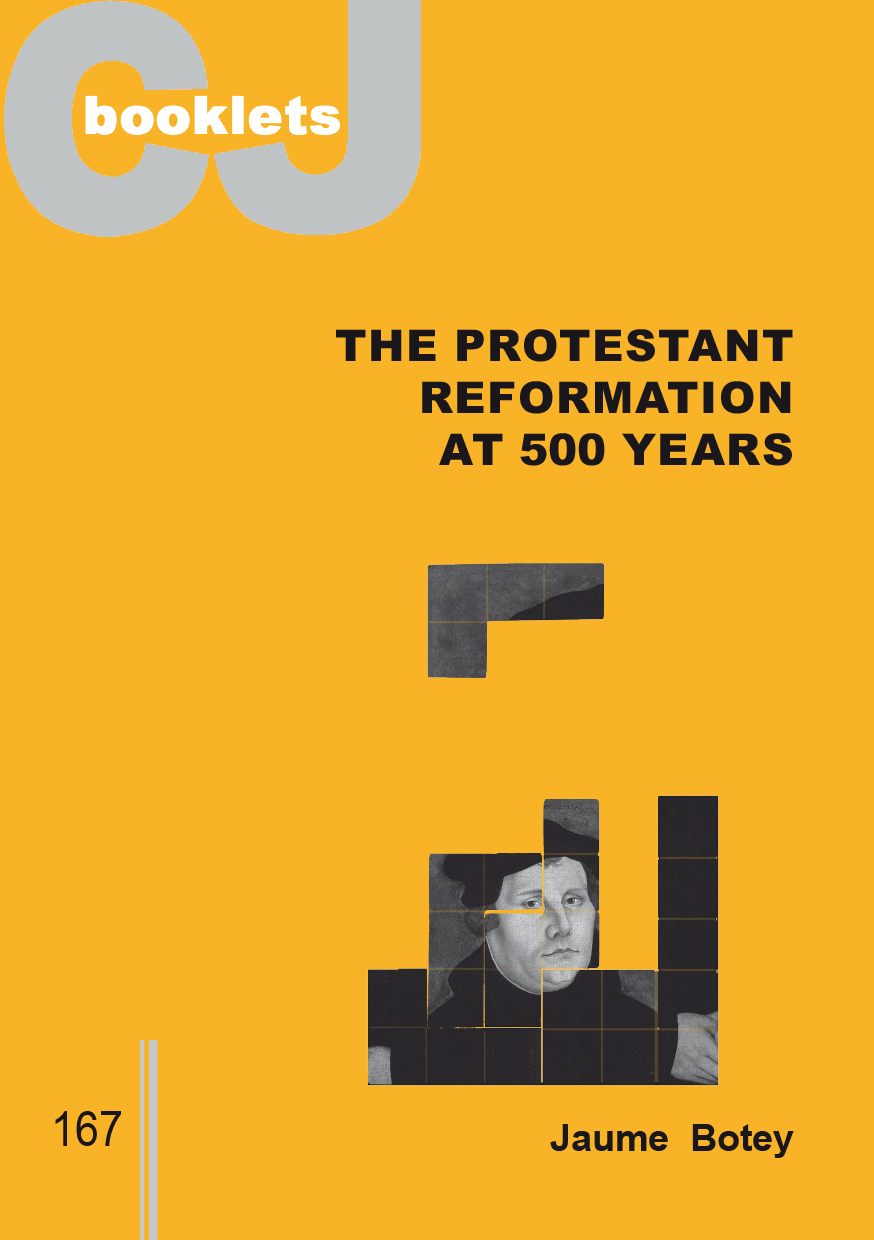
We cannot understand modern-day Europe without understanding the role played by Luther in the Reformation of the 16th century. That event went far beyond the religious realm and revealed the existence of two cultures, two models of social relations, two manners of understanding political power, and even two economic systems. Many of the topics debated during the Reformation and the early Renaissance period are still being debated in our contemporary European society, which is as perplexed and perplexing today as it was in those days.
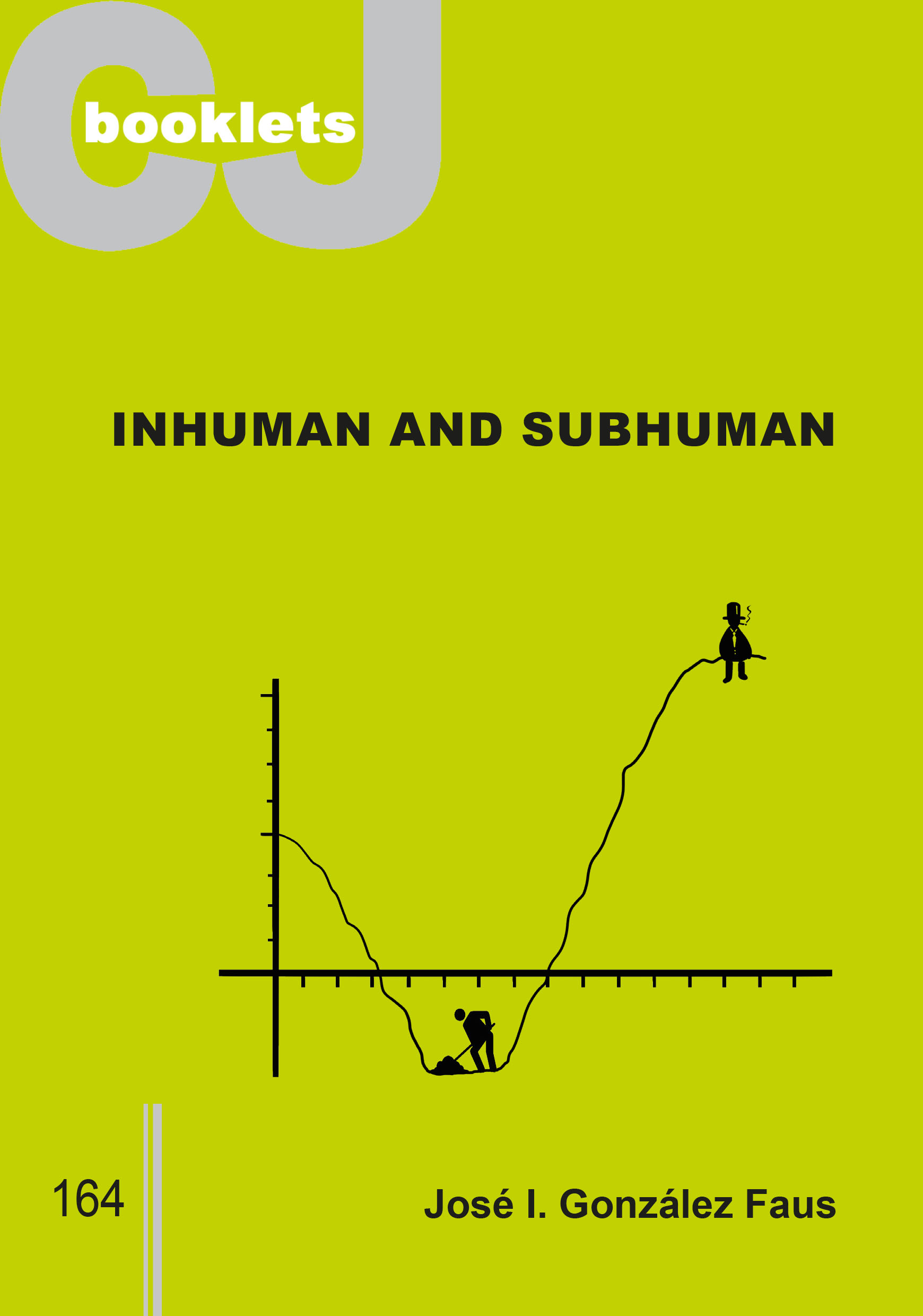
The economy is set in such a way that advantages are enjoyed by a minority of privileged whilst the inconvenients affect a mayority of desperate people. Thus, the privileged get dehumanised because they are only acquainted with ‘exchange values’; and what makes us really human (reason, equality and solidarity) are not ‘exchange values’ but values of another type. And so, the empoverished also get dehumanised because they live in a constant stroke to avoid drowning in the inmense sea of material needs. Taking as a reference Varoufakis’ book, “Talking to my daughter about the economy. A brief history of capitalism”, González Faus reflects on the anthropological and theological consequences of the actual economic system.
Morning, 9h to 14h
(from monday to friday)
Afternoon, 16h to 19h
(tuesday and thursday)